
Handheld XRF, LIBS, Vis-NIR & Portable Benchtop Analyzers for Academic & Scientific Research
The world's premier handheld LIBS analyzer brings the entire periodic table, in seconds, to the lab, the classroom, and the field. Across materials science, chemistry, geological and ocean sciences, physics, and archaeology, SciAps analyzers put lab-class analysis in lightweight, portable instruments. This page covers the SciAps analyzers used in academic and scientific research, what they measure, and how researchers can get hands-on access.
Why Researchers & Educators Choose SciAps
LIBS is often the preferred technique in academic settings, especially for students, because operators avoid the regulatory complexity of X-ray fluorescence, and the accompanying Profile Builder software gives complete freedom over parameters, with no factory-imposed calibrations.
Handheld XRF
Rapid, non-destructive elemental analysis of solids, coatings, and heavy elements – the X-Series complements the Z-903 and merges into a single dataset.
See detailsHandheld LIBS
The entire periodic table in seconds – every element from hydrogen to uranium, including light elements and halogens no other portable reaches, with no X-ray regulatory complexity.
See detailsVis-NIR Spectroscopy
Reads molecular (O-H, C-H, N-H) features for mineralogy, soil and vegetation science, remote-sensing ground-truthing, and materials characterization.
See detailsPortable Benchtop
The PowerHouse X reaches 80 kV for heavy rare earths and materials research beyond what any handheld can measure.
See detailsHandheld XRF for Research & Teaching
For research where X-ray fluorescence is the better fit – rapid, non-destructive elemental analysis of solids, coatings, and heavy elements – SciAps X-Series XRF complements the Z-903, and both merge into a single dataset via SciAps software.
Versatile Research XRF
The lightest, fastest X-Series analyzer, the X-550 supports a broad range of studies from materials and metallurgy to archaeometry. It featured in an aircraft-fatigue study, and its speed and light-element performance (Mg, Al, Si, P, S) make it a flexible lab and field research tool.
55 kV for Rare Earth & Heavy Elements
For research involving rare earth elements and other heavy elements, the X-555's 55 kV tube provides detection limits no other handheld XRF can match – valuable in geoscience, materials, and strategic-metals research.
The Analyzer for Research & Teaching
The Entire Periodic Table in Seconds
The Z-903's spectrometer range (190–950 nm) delivers instant analysis of every element in the periodic table – low-atomic-number elements (H, Li, Be, B, C, N, O, Na), halogens (F, Cl, Br), light metals, and the full transition, heavy, and rare-earth suite. Pre-configured apps (alloys, geochem, and more) make it point-and-shoot, while the full desktop/tablet software adds spectral pre-processing, chemometrics, emission-line identification, and quantitative calibration – everything a benchtop LIBS does, in a handheld.
Vis-NIR for Research & Teaching
Where XRF and LIBS measure elements, Vis-NIR reads molecular (O-H, C-H, N-H) features – for mineralogy, soil and vegetation science, and materials characterization.
Handheld Vis-NIR for Geology & Teaching
The handheld ReveNIR brings Vis-NIR mineral identification to geology field studies and teaching – real-time mineralogy in a lightweight, portable form.
FieldSpec, TerraSpec & LabSpec
The ASD FieldSpec, TerraSpec, and LabSpec spectroradiometers are long-standing standards in academic research – remote sensing and ground-truthing, soil and vegetation science, materials characterization, and even biomedical spectroscopy.
Portable Benchtop XRF for Rare Earth & Materials Research
80 kV Benchtop for Rare Earths
The portable-benchtop PowerHouse X reaches heavy rare earth elements (Tb, Dy, Ho, Er, Yb) that handheld XRF cannot, with a calibration spanning 48 elements – a powerful tool for geoscience, strategic-metals, and materials research in the lab or field.
Academic Loaner Program
SciAps frequently loans handheld analyzers to academic researchers in the U.S. and Canada for a few weeks or a month, to support a study or field analysis anywhere in the world. LIBS is often preferred for students (no X-ray regulatory complexity), and Profile Builder gives full freedom to modify parameters – you're not limited to factory calibrations or fixed multivariate techniques.
Contact SciAps about a loanerAcademic & Scientific Resources
Application notes, brochures, and independent studies for Academic & Scientific. See everything in the Resource Library.
Application Notes
View all 5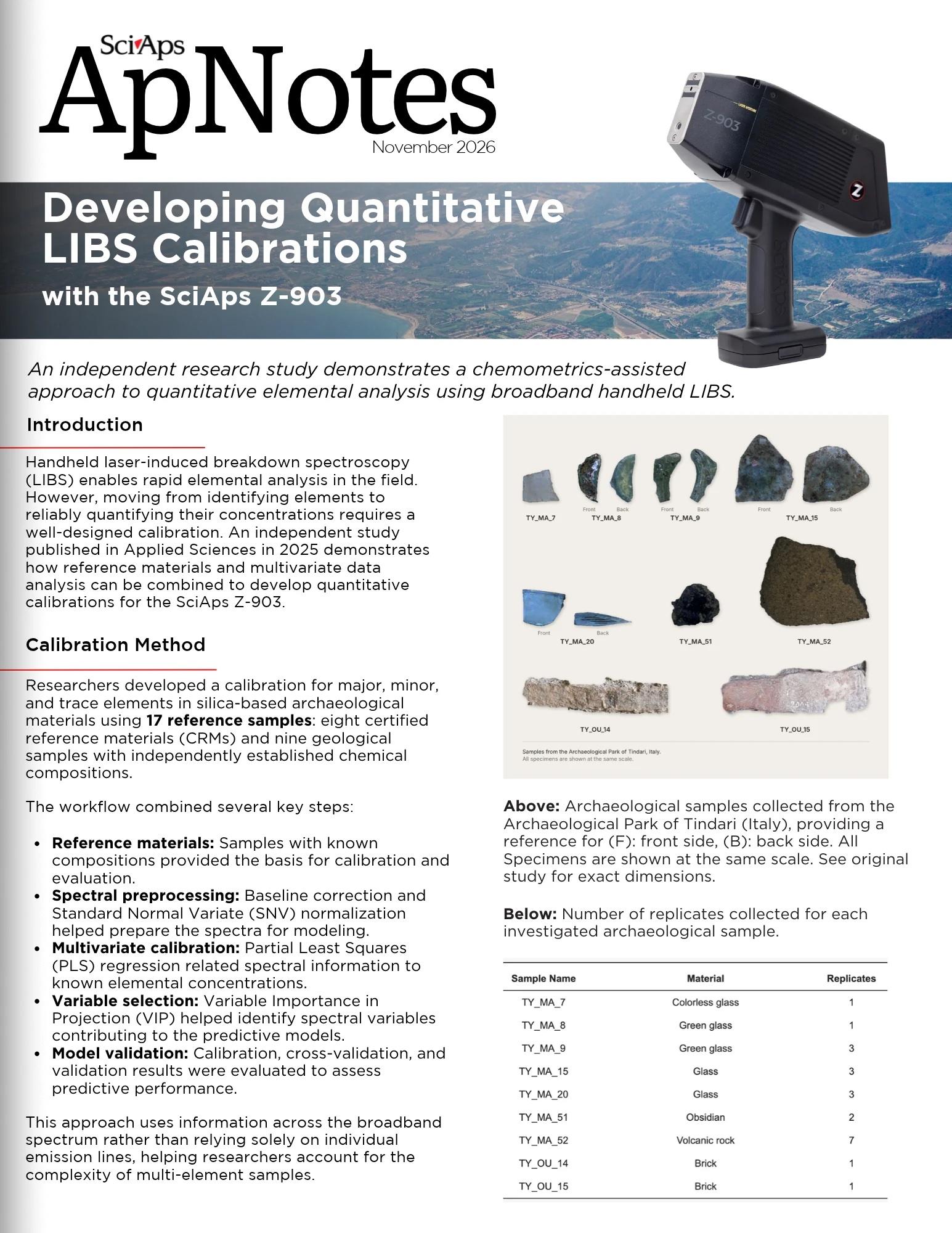
ApNote Developing Quantitative LIBS Calibrations with the SciAps Z-903
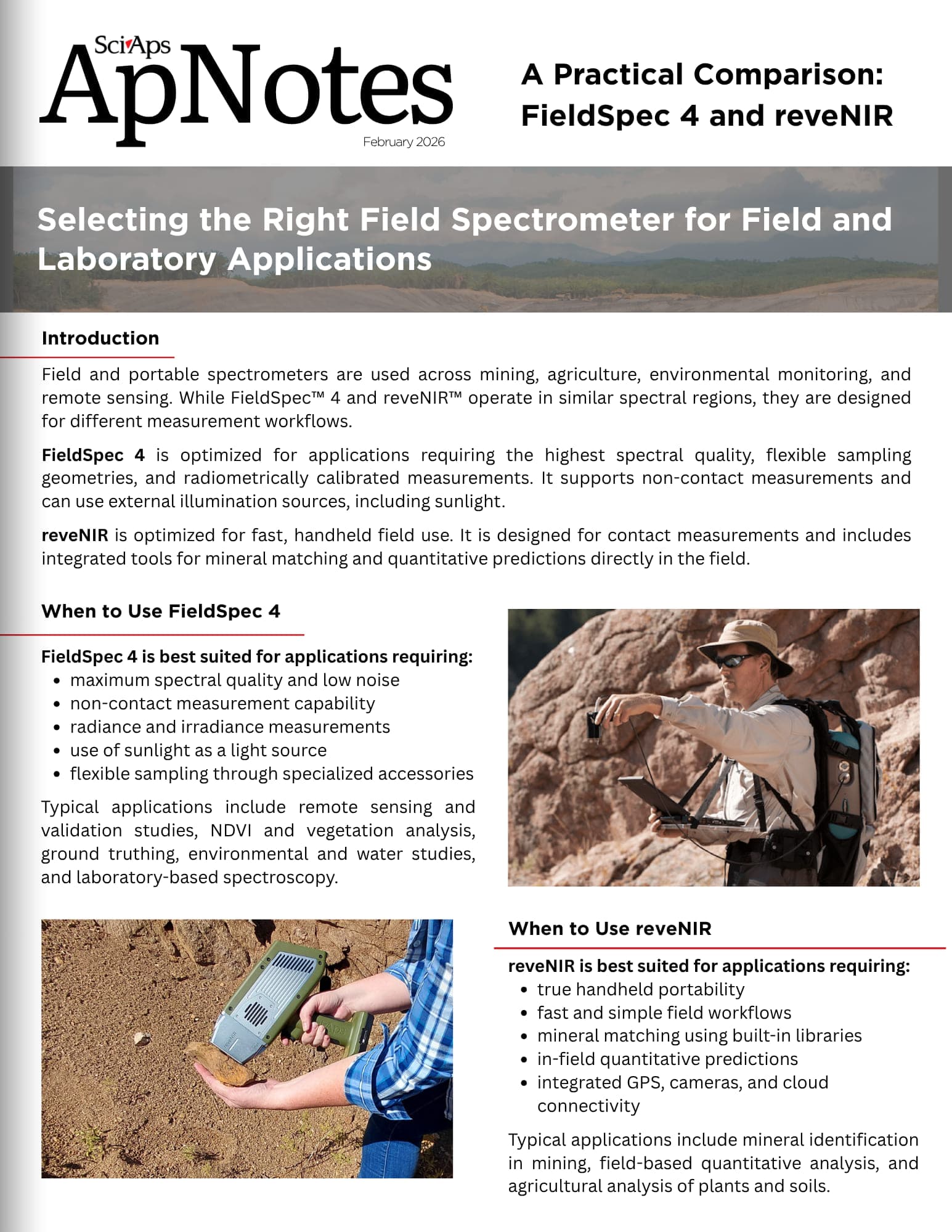
ApNote: Selecting the Right Field Spectrometer for Field and Laboratory Applications
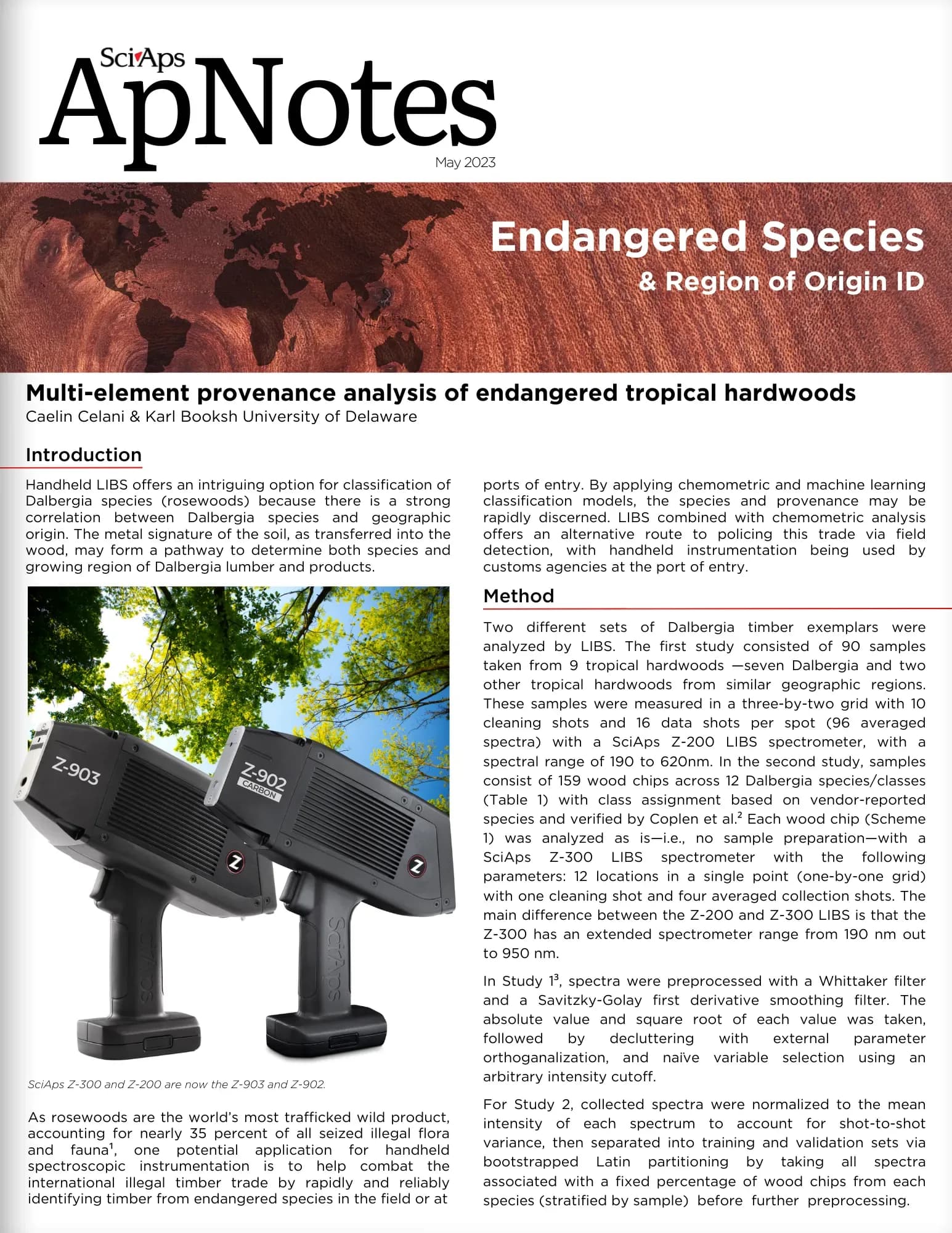
Multi-element provenance analysis of endangered tropical hardwoods
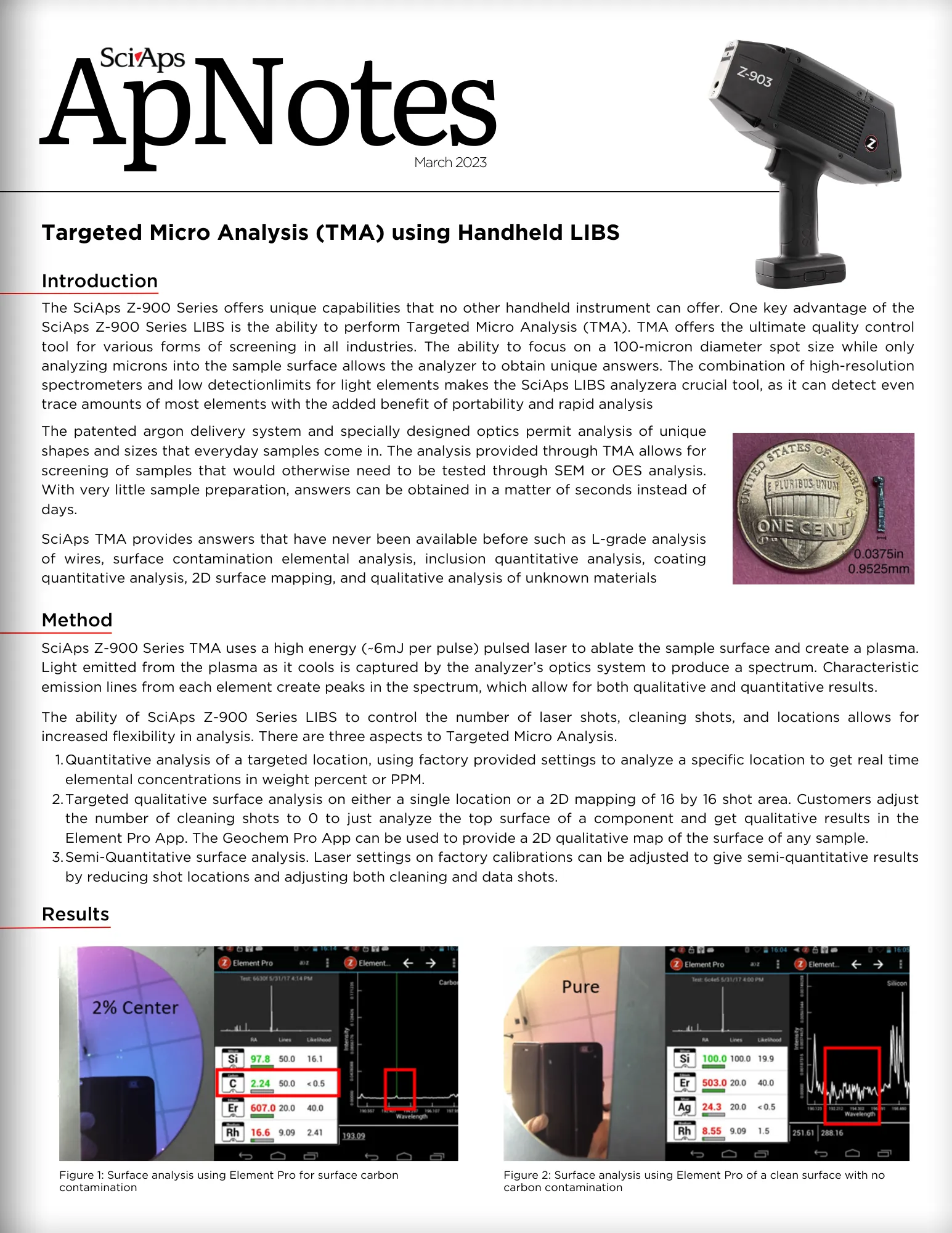
Targeted Micro Analysis (TMA) using Handheld LIBS
Brochures
View all 5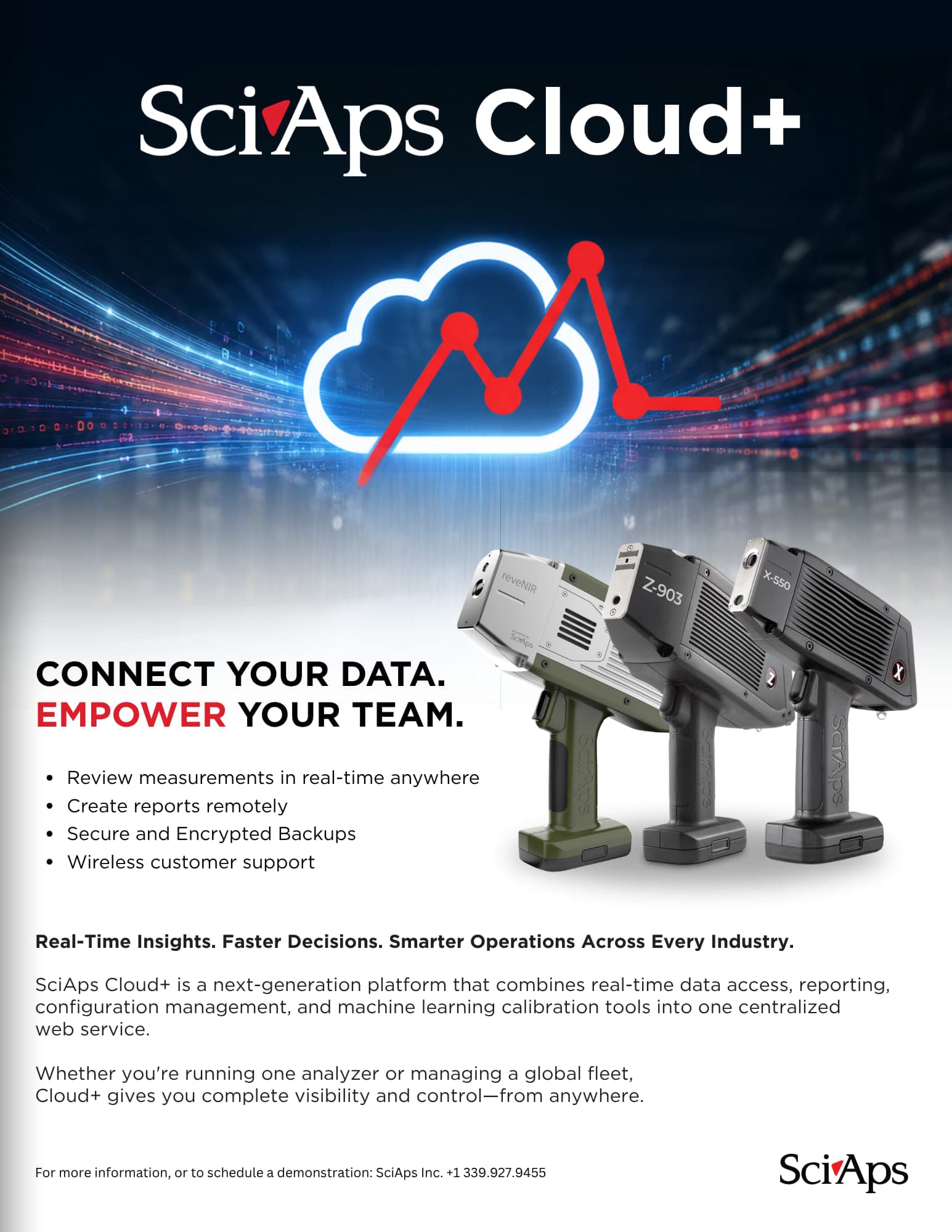
SciAps Cloud+ One Platform - Total Control
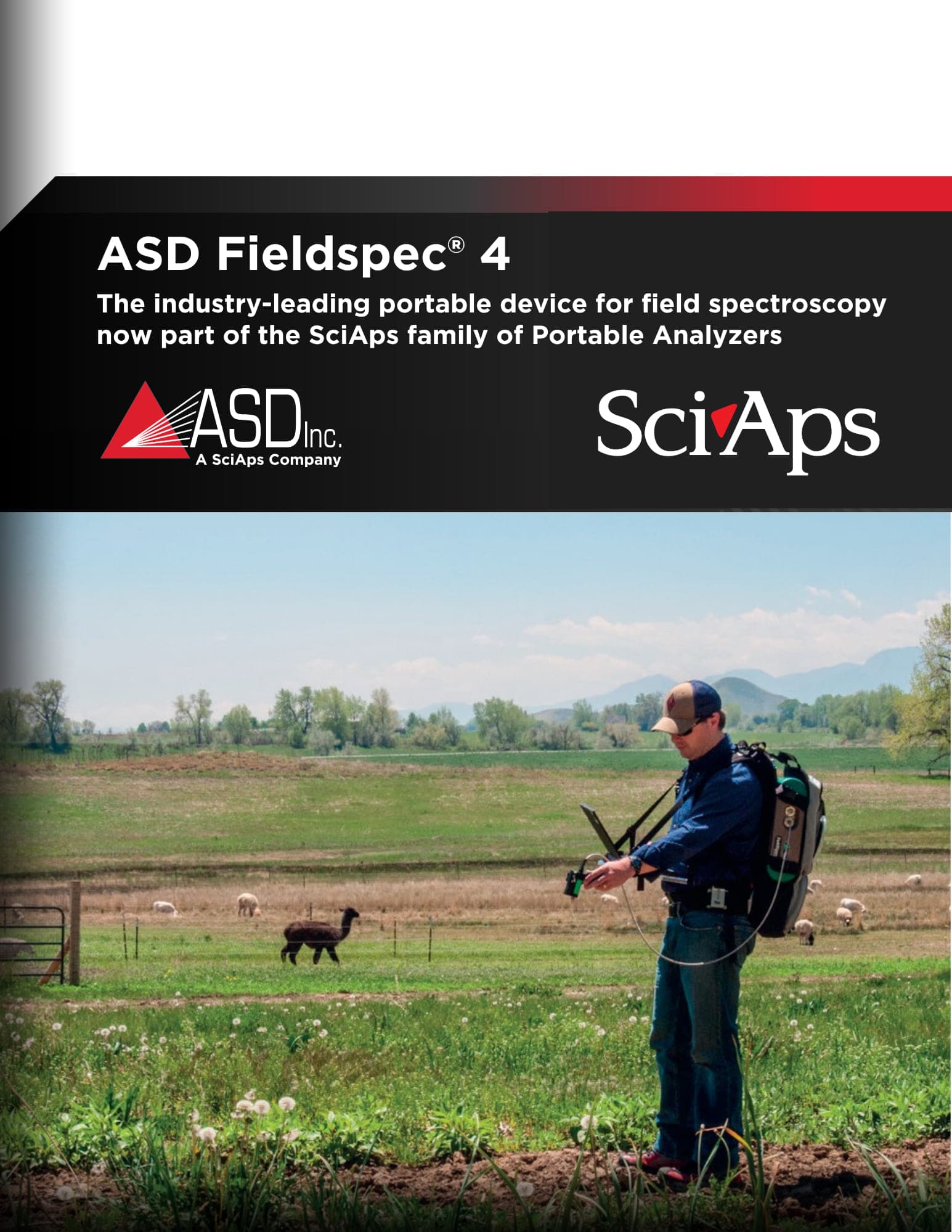
ASD FieldSpec 4 Brochure
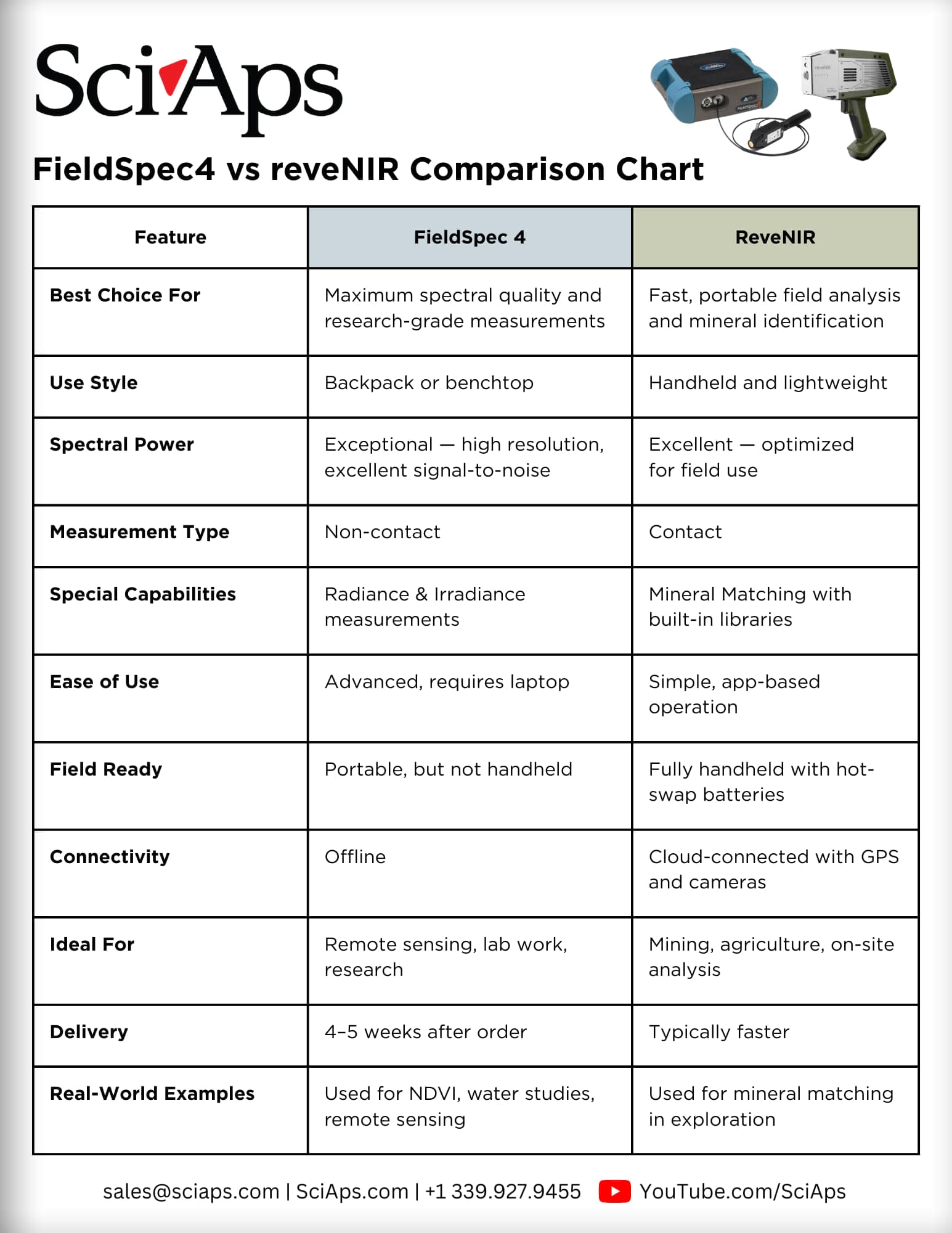
FieldSpec 4 vs reveNIR Comparison Chart
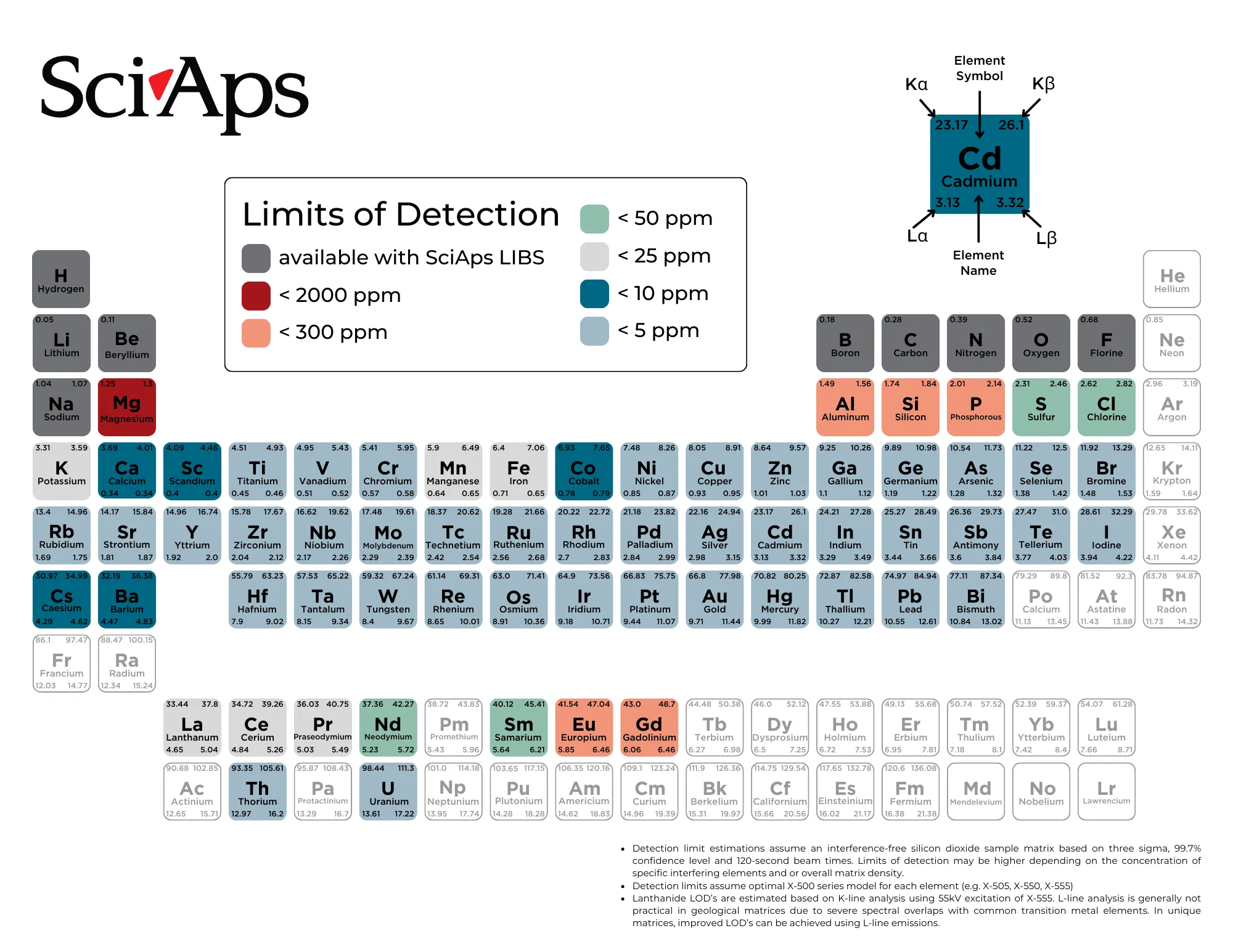
SciAps Complete Periodic Table - Limits of Detection
Independent Studies
View all 16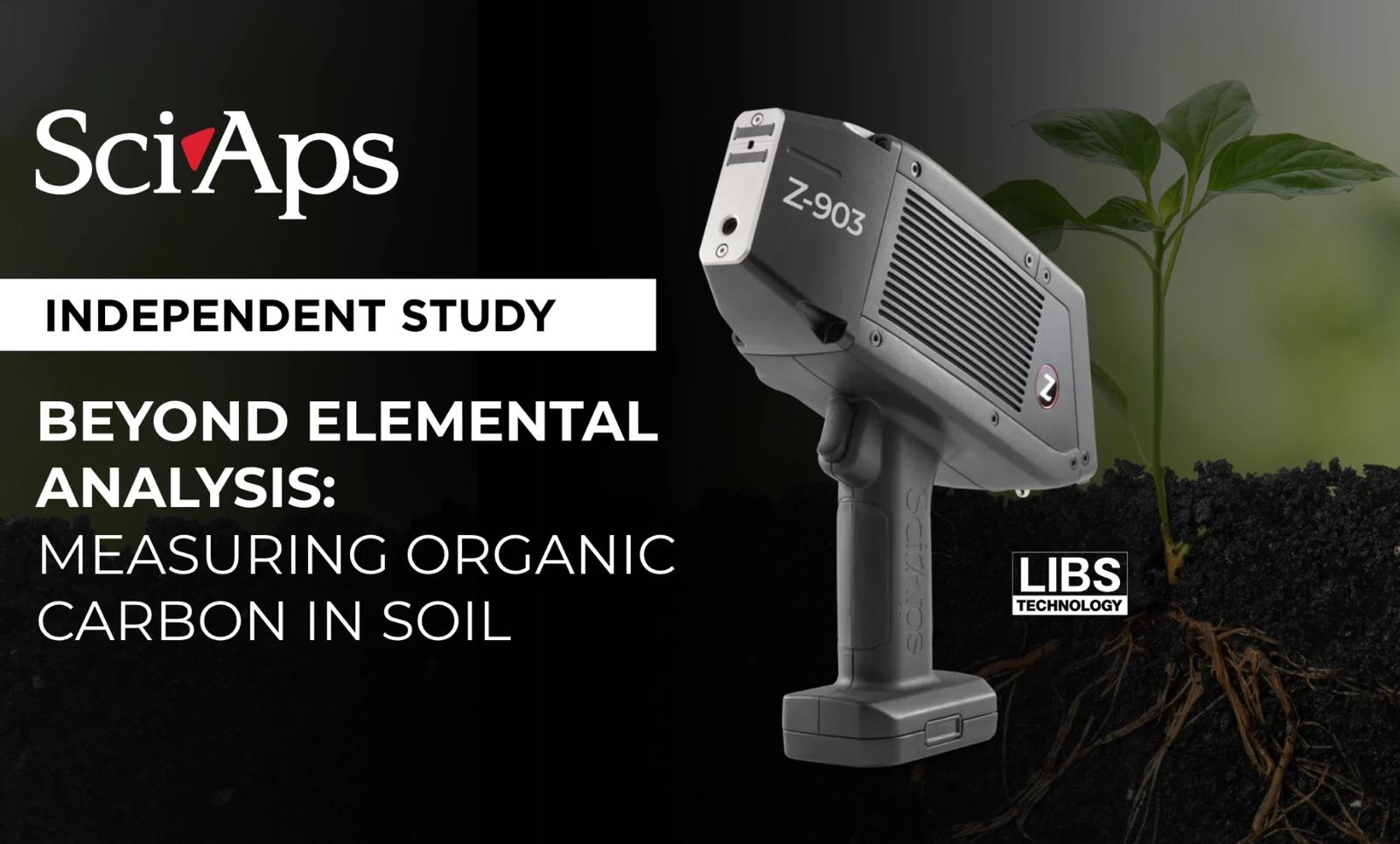
Independent Study: Can Handheld LIBS Measure Organic Carbon in Soil?
A recent study published in the Journal of Analytical Atomic Spectrometry, conducted by researchers at São Paulo State University (UNESP, Brazil), the University of Zaragoza (Spain), and Italy's National Research Council (CNR-ISTP), demonstrates the potential of the SciAps Z-903 for direct quantification of total organic carbon in soil.
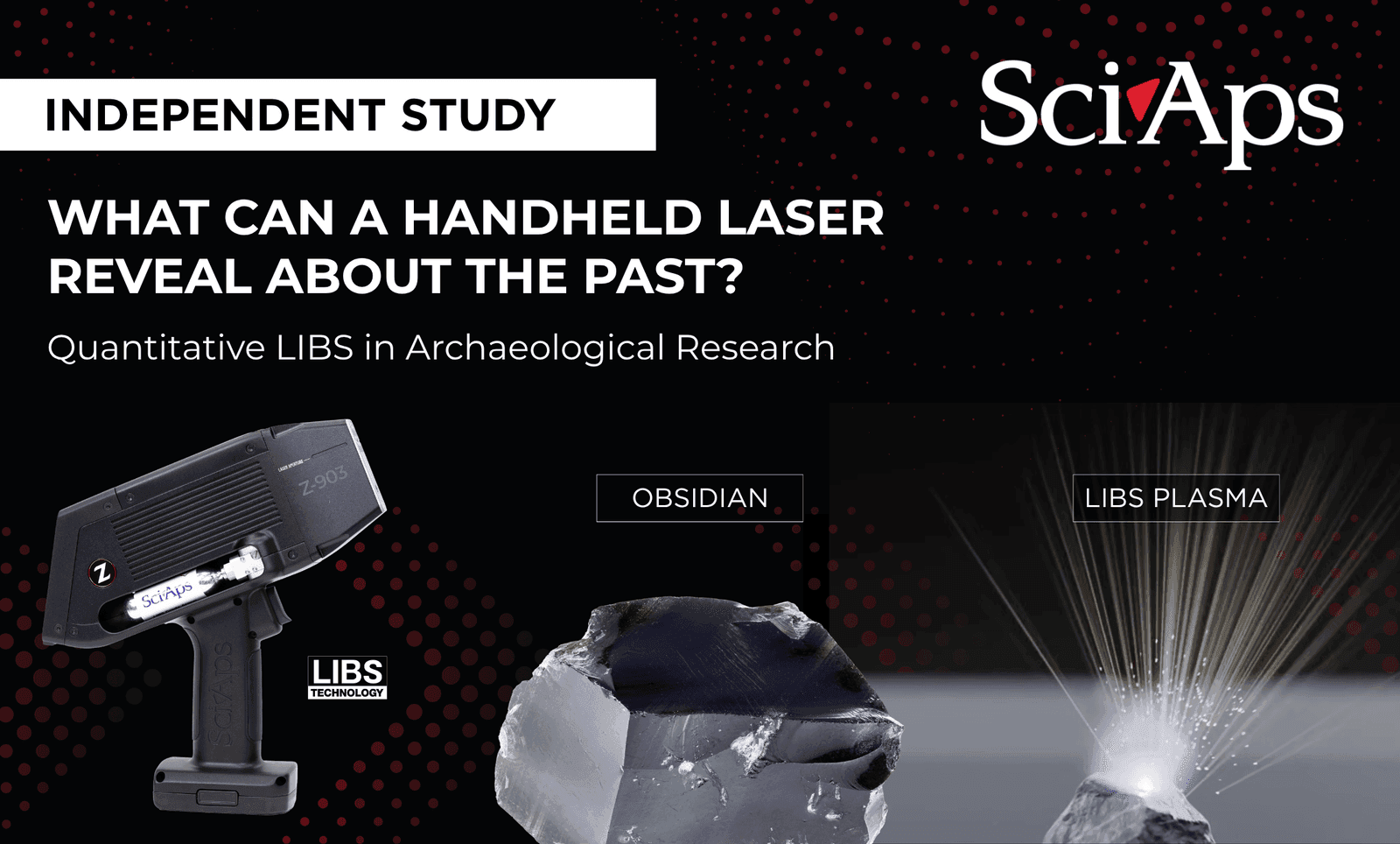
Independent Study: Quantitative Handheld LIBS Helps Reveal the Story Behind Ancient Artifacts
Researchers studying artifacts from the Archaeological Park of Tindari in Sicily used a SciAps Z-903 handheld LIBS analyzer to move beyond simply identifying elements. They developed a chemometrics-assisted calibration capable of quantitatively determining major, minor, and trace elements in silica-based materials.
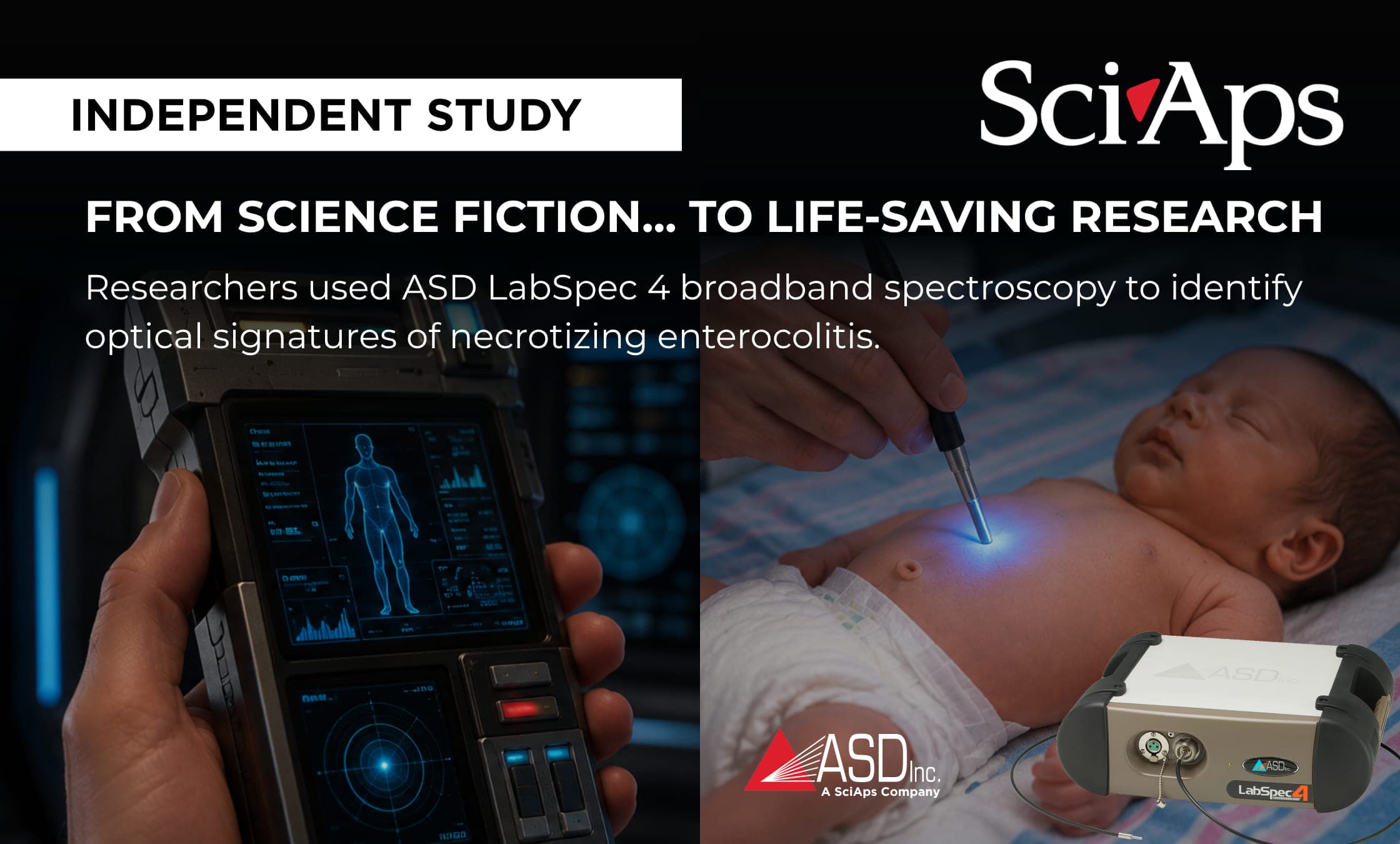
From Star Trek's Tricorder to the NICU: Broadband Spectroscopy Brings Science Fiction One Step Closer to Reality
Could broadband spectroscopy help transform the early detection of life-threatening diseases? Researchers recently used the ASD LabSpec 4 broadband spectrometer to identify the optical signatures of necrotizing enterocolitis (NEC), a devastating intestinal disease affecting premature infants. By combining high-resolution spectral data with machine learning, the team demonstrated a promising non-invasive approach that could one day lead to faster bedside screening.
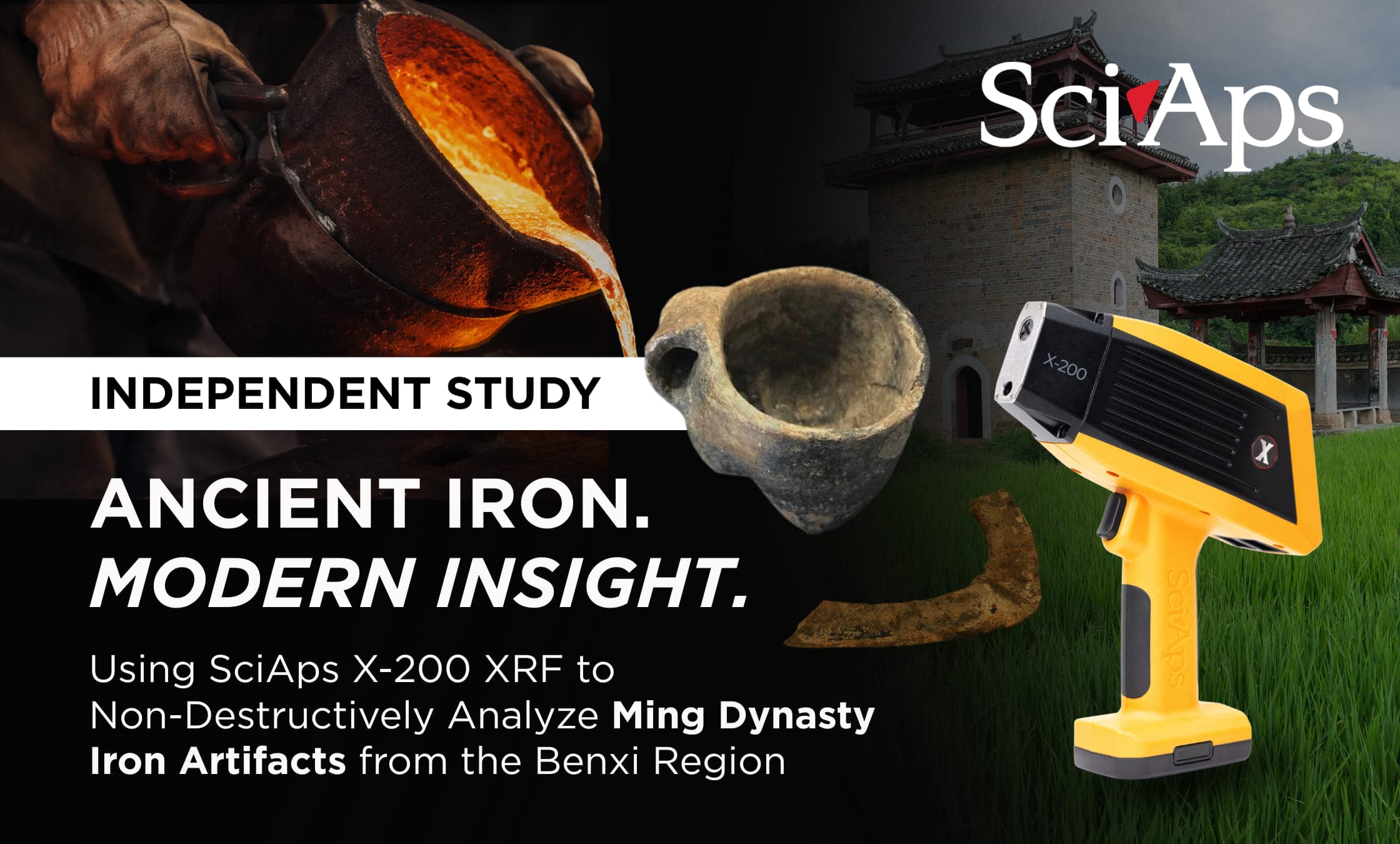
Handheld XRF Analysis Reveals Ancient Ironmaking Technology in China's Benxi Region
Researchers publishing in Processes investigated the ironmaking technologies used in the Benxi region of China during the Ming Dynasty, revealing a sophisticated metallurgical process chain that flourished more than 600 years ago. To preserve valuable cultural artifacts, scientists employed the SciAps X-200 handheld XRF analyzer to perform non-destructive elemental analysis on unearthed iron agricultural tools and other historical materials.
Frequently Asked Questions
Which handheld analyzer can measure every element in the periodic table?
The SciAps Z-903 handheld LIBS covers 190–950 nm and can analyze every element from hydrogen to uranium – including light elements (H, Li, Be, B, C, N, O, Na) and halogens (F, Cl, Br) that most portable instruments can't reach.
Why is LIBS preferred over XRF for academic use?
LIBS uses a laser rather than X-rays, so students and researchers avoid the licensing, badging, and inspection requirements that come with X-ray analyzers. SciAps also provides Profile Builder software, giving full control over calibrations and methods rather than fixed factory settings.
Can I use a handheld LIBS to pre-screen samples before lab analysis?
Yes – the Z-903 quickly returns a qualitative or quantitative list of elements present and approximate concentration ranges, so you can pre-screen incoming samples and prioritize which need full digestion and lab analysis.
Should I use LIBS or XRF for my research?
Use LIBS (Z-903) when you need light elements (H, Li, Be, B, C, N, O, Na), halogens, or the full periodic table, or want to avoid X-ray regulatory requirements – common for teaching and student use. Use XRF (X-550, X-555) for rapid non-destructive analysis of heavier elements, coatings, and rare earths. Both can merge into a single dataset, and SciAps loans either technology to researchers.
Does SciAps loan analyzers to universities?
Yes. SciAps regularly loans handheld analyzers to academic researchers in the U.S. and Canada for a few weeks to a month for studies and fieldwork. Contact SciAps with a short description of your measurement goals to arrange a loaner.