February 9, 2026
Products
Services
Industries
About
Resources
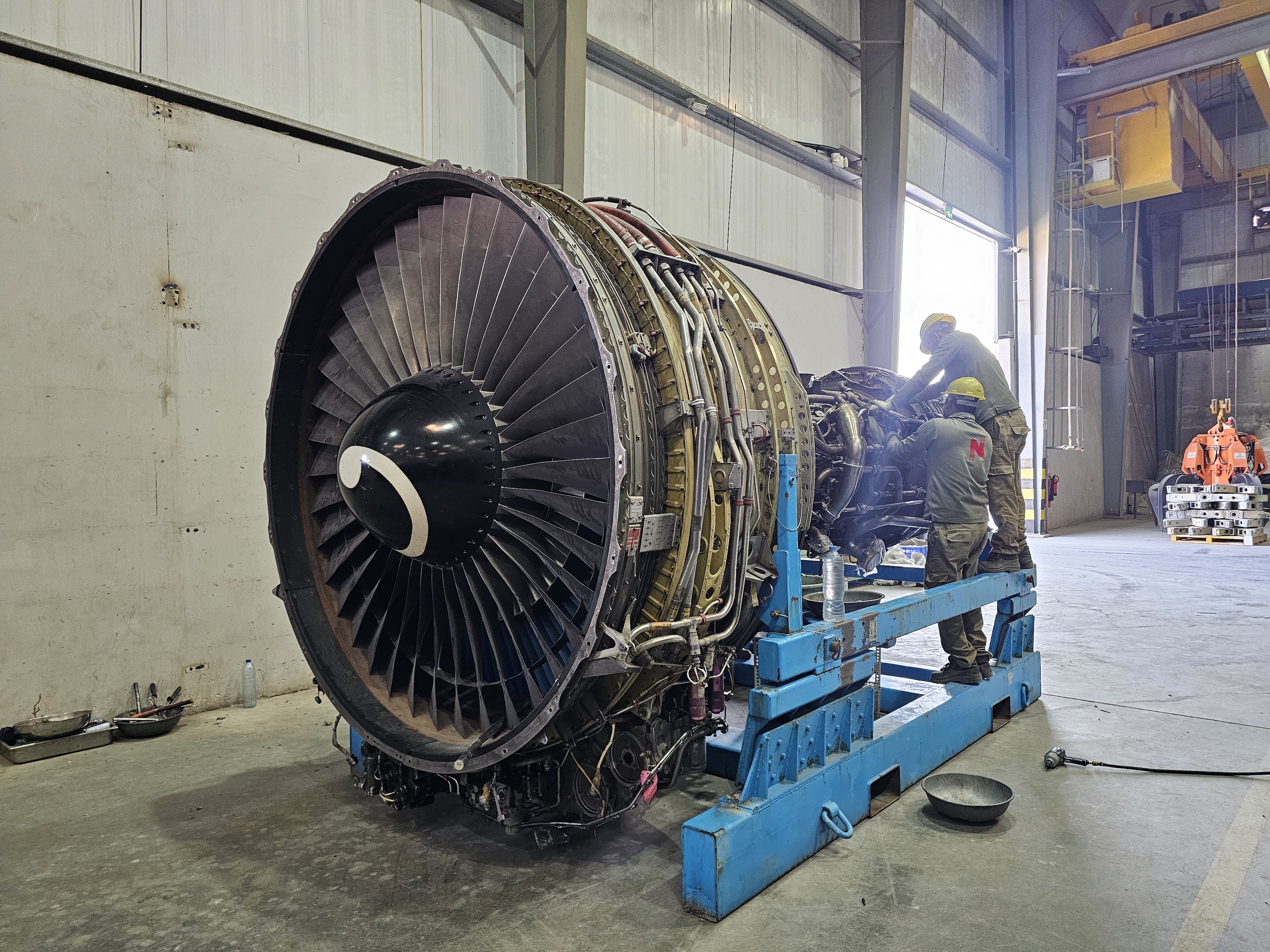
It arrives as a single massive unit—and leaves as more than 100 different material streams, each requiring careful identification, segregation, and quality control.
That’s exactly the challenge facing Ni Met Recycling, one among the largest metal processing facilities in the Middle East, and one of the few companies now tackling the complex task of aircraft engine recycling.
With a 30,000-square-meter processing yard and material shipped in from around the world, Ni Met has long specialized in high-quality stainless steel and mixed-metal recycling. But aircraft engines?That’s a whole new level of complexity.
“The first ever engine dismantling was a complete surprise,” says Ashwin Ninan-Philip, who leads much of the day-to-day dismantling and material evaluation. “It comes as one commodity. After dismantling, it becomes 100 different commodities.”
Aircraft engines are not designed to be dismantled.
They contain millions of fasteners, layers of specialized alloys, and components made from titanium, high-nickel superalloys, stainless steels, and aluminum blends—often engineered specifically for aviation performance.
There’s no manual. No YouTube tutorial. No standardized dismantling guide.
“Even the tools, we have to fabricate ourselves,” Philip explains. “Every engine is a learning experience.”
The process begins with manual dismantling from the outer casing inward, carefully tracking and separating each component. Large parts are sorted first, followed by the smaller bolts, screws, and fasteners that can easily mix high-value alloys if not properly segregated.
Bins quickly multiply.
And every bin represents potential value—or costly contamination.
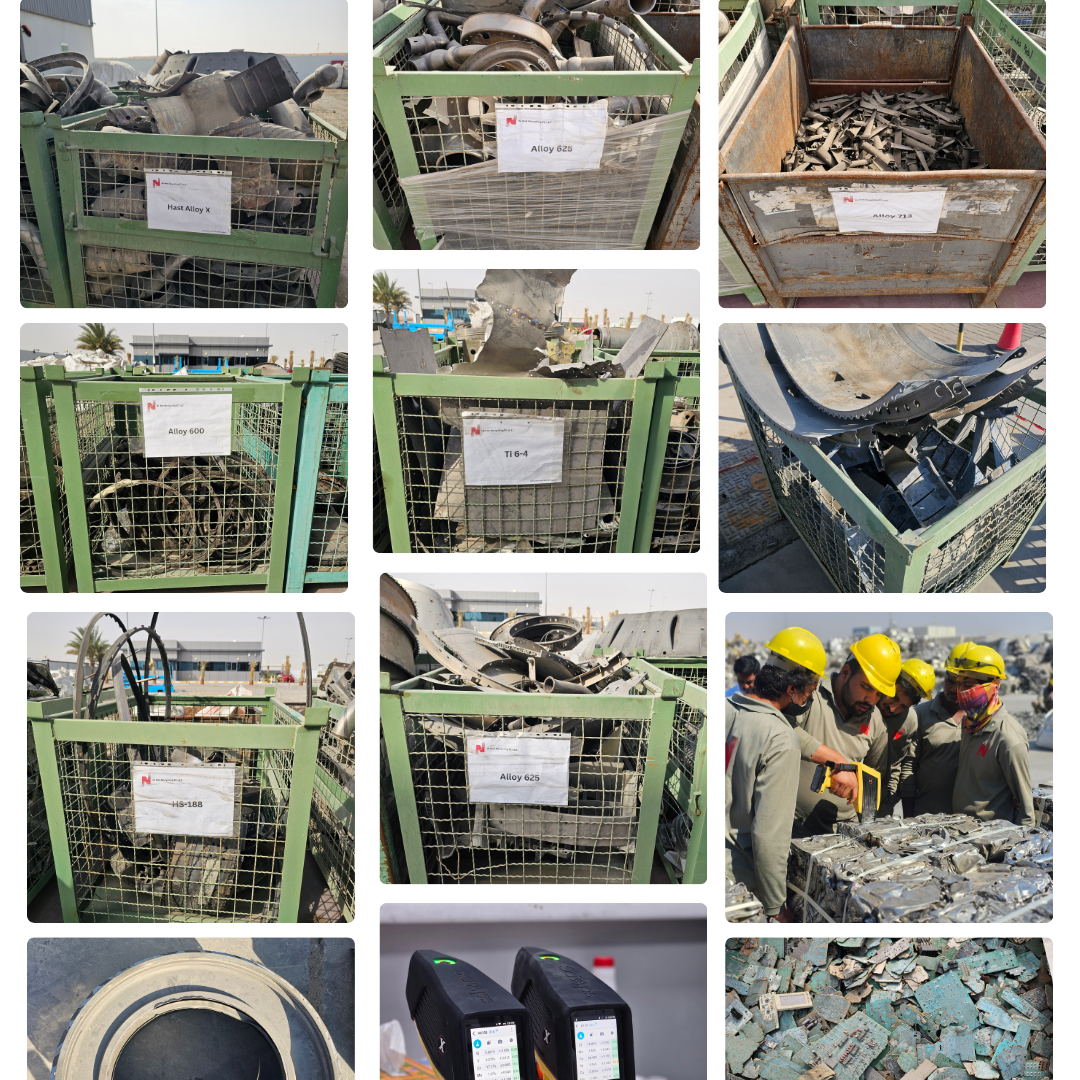
Ni Met’s sorting teams are highly experienced. Many can identify metals by weight, color, density, and even sound when dropped.
But aircraft alloys don’t always follow traditional scrap categories.
That’s where handheld XRF becomes essential.
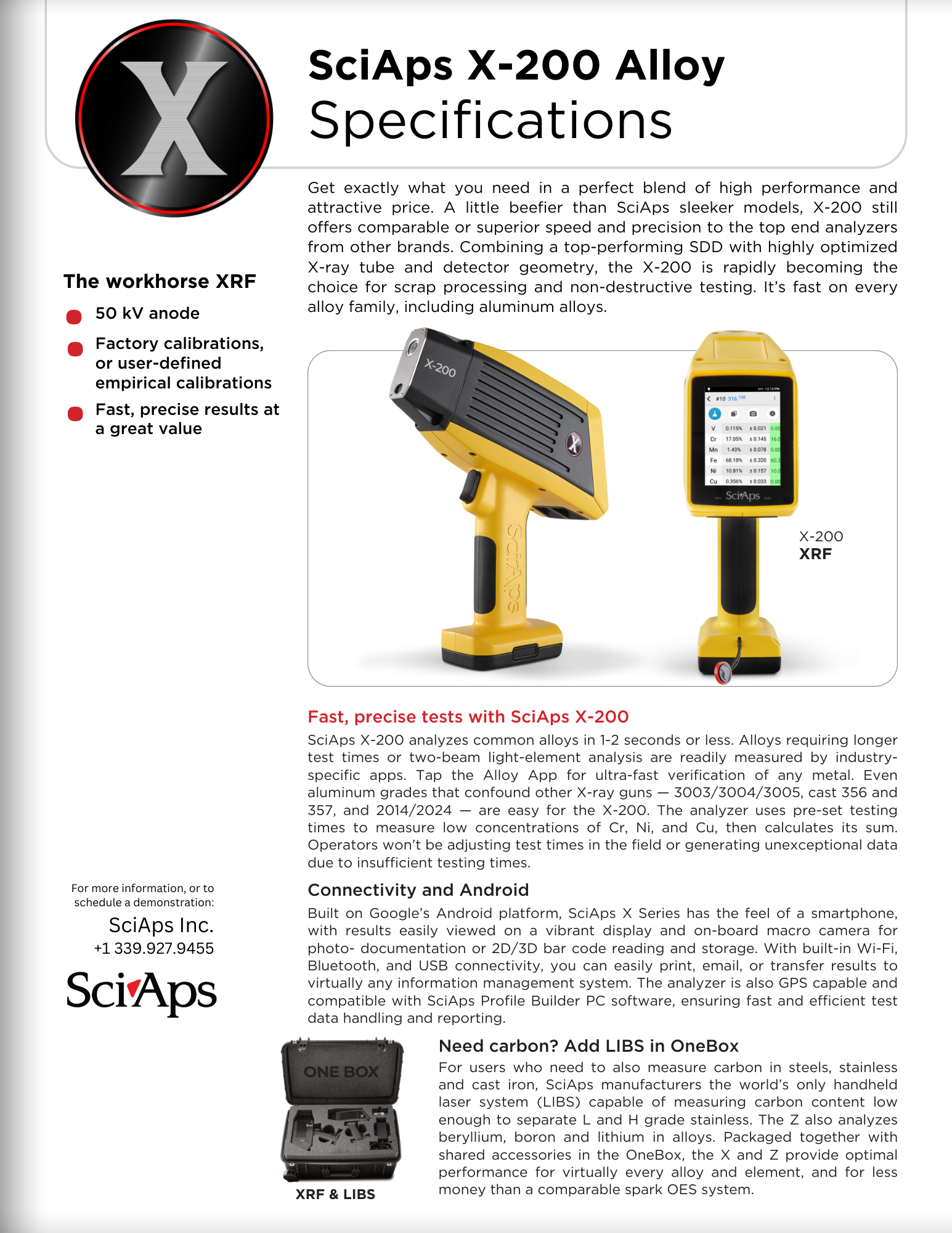
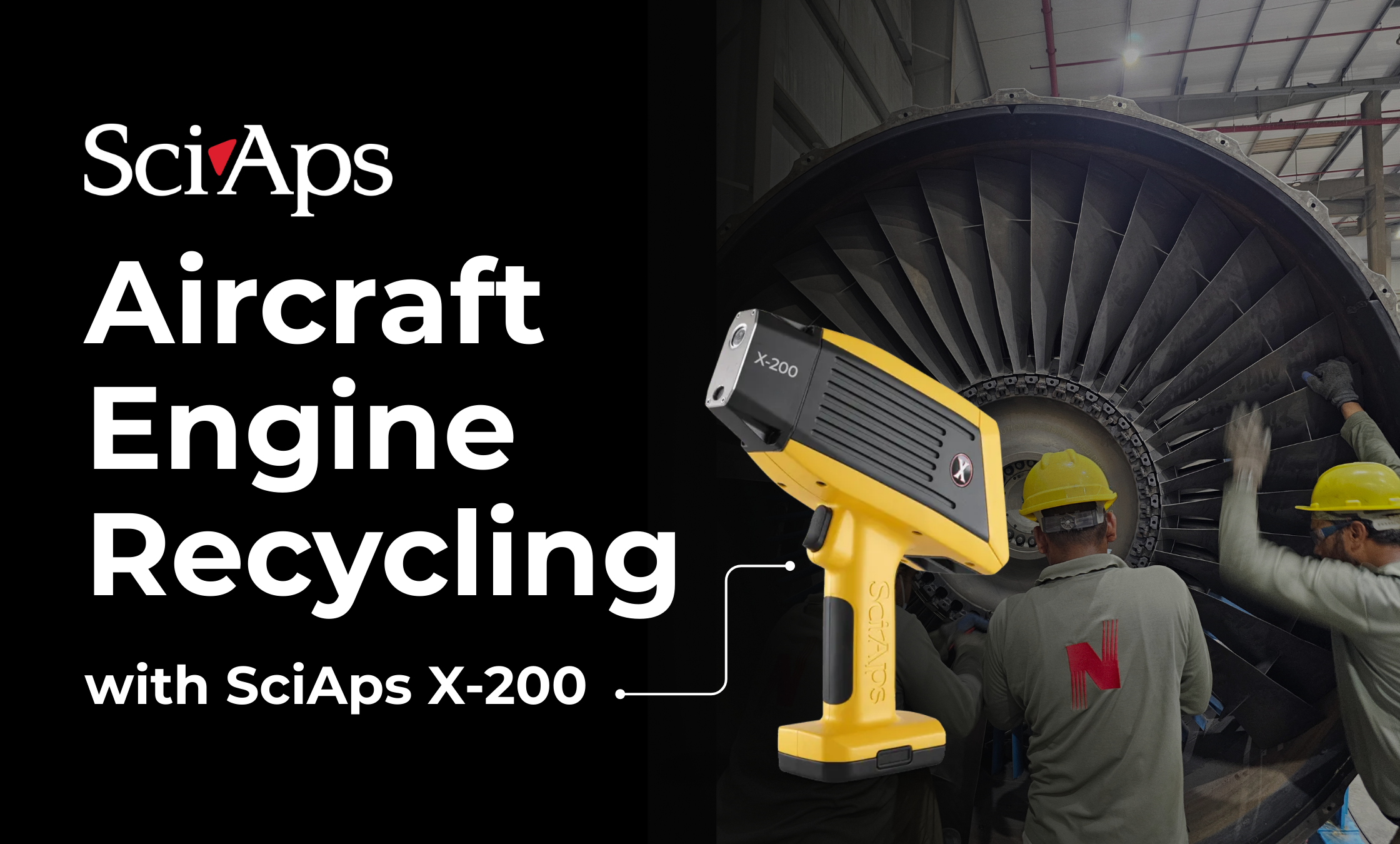
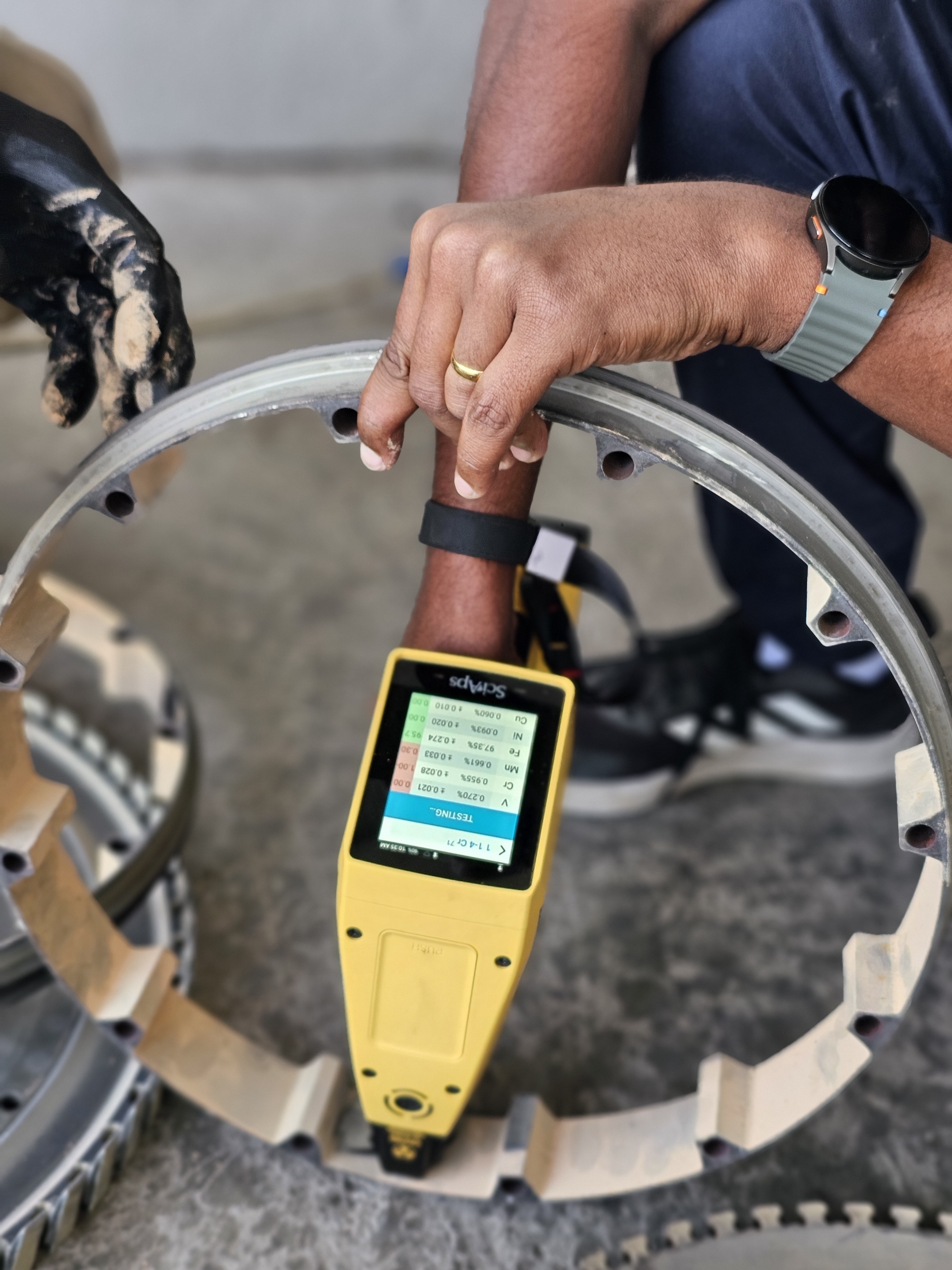
Philip uses the SciAps X-200 handheld XRF analyzer to verify alloy chemistry, identify high-nickel grades, distinguish titanium alloys from commercially pure titanium, and determine where unknown materials can be safely blended.
“Some aircraft grades aren’t in any library. So I use the composition to decide which material stream it can go into. That’s where the X-200 really helps.”
With thousands of tests performed under real-world scrap conditions, the analyzer is not sitting in a lab—it’s working directly on dismantling floors, sorting lines, and material piles.
Before choosing SciAps, Philip had seen older-generation XRF units widely used in the scrap industry. But when it came time to invest, he wanted newer technology, better usability, and stronger connectivity.
Just as important as performance was service.
“When I had issues, SciAps supported me immediately. I even had a replacement unit while mine was being serviced. That matters when the analyzer is part of daily operations.”
High-intensity scrap environments are tough on equipment, and Philip is candid about wear items like detector Prolene or Kapton windows needing replacement under heavy use. But the analyzer and detector itself have remained reliable even after tens of thousands of tests.
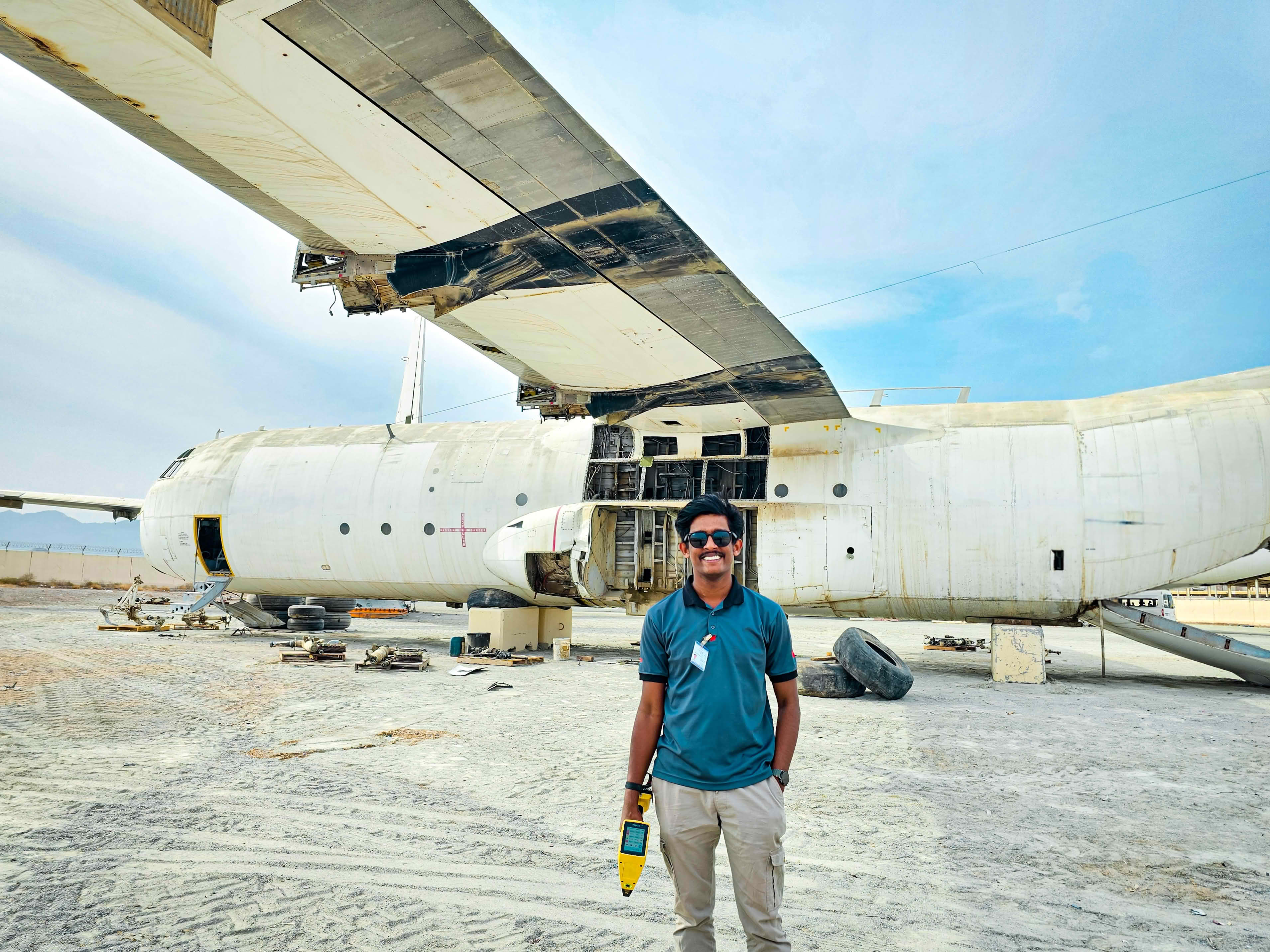
While engines are the current focus, Ni Met has already begun dismantling aircraft body sections, which introduce even more complex material mixes, coatings, and composite interfaces.
The challenge isn’t just technical—it’s regulatory, logistical, and environmental.
“About 92% of an aircraft can be recycled, but much of it still ends up in landfills because it’s not easy to process.”
That’s changing.
With growing numbers of aircraft being retired globally, full-aircraft recycling is emerging as a major sustainability opportunity—and a massive materials recovery challenge.
Recycling metals instead of producing virgin alloys can save up to 70%in energy, significantly reducing environmental impact.
“That’s why I like this industry,” Philip says. “We’re actually doing something good for the environment.”
Aircraft recycling is still in its early stages, but companies like Ni Met are proving it can be done—with the right mix of experience, innovation, and analytical technology.
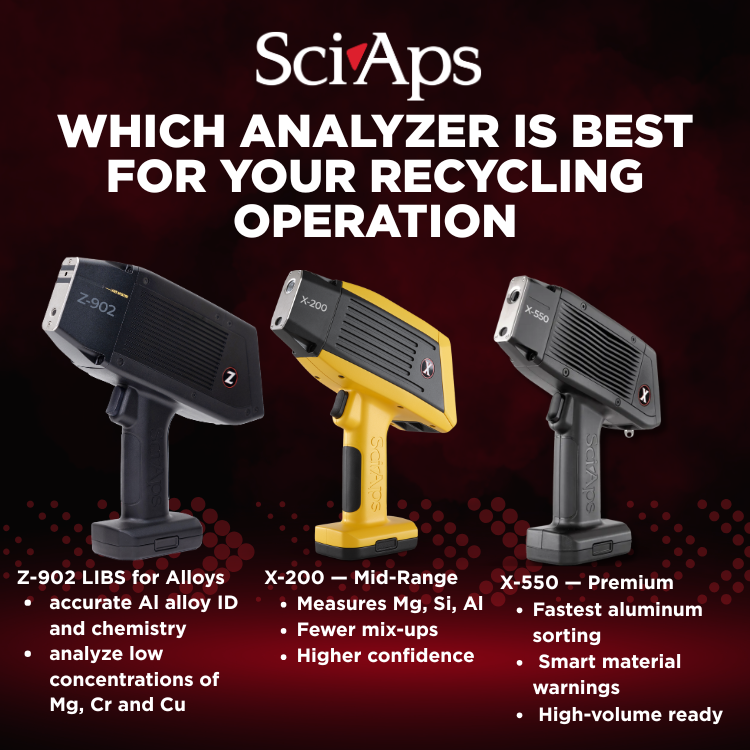
Handheld analyzers like the SciAps X-200 are becoming essential tools, helping recyclers:
As entire aircraft begin entering recycling streams, material identification will only become more critical—and more complex.
And that means portable, reliable, real-world analysis tools will play a central role in building the future of aerospace recycling.